
Trauma Recovery
You are stuck between worlds.
Not all terrible things that happen create a trauma response. What shifts an overwhelming experience into trauma is the loss of power, agency, or dignity in that moment – and the nervous system’s inability to complete its protective response.
Simply put, trauma is disconnection. You’re frozen between your own nature and that of others and the world. A belief emerges that this is permanent.
Hypervigilance becomes the norm. It feels like nothing is safe. And the thing that would make you safe – a grounded, present attention – feels dangerous or impossible to access. So, you might swing toward recklessness, numbness, or risk-taking, which creates more danger and reinforces the cycle.

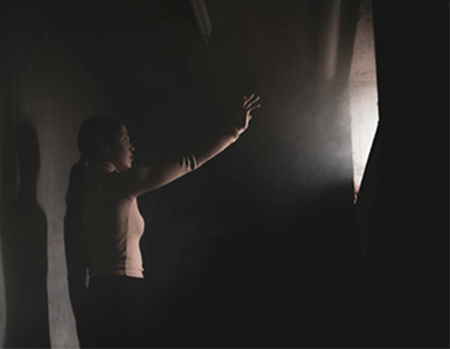
The body is storytelling.
You’ve tried so many types of therapy and still feel stuck. Maybe you have insights and tools, but trauma lives in the body and needs to be treated through the body.
You’ve probably heard “the body keeps the score.” It’s true. The body remembers with procedural accuracy what the mind distorts, fragments, or buries. The challenge is that we must relearn to listen to and decode the body’s language of sensations, impulses, and survival strategies.
The connection back to yourself and to safely relating to others needs to be reclaimed, bit by bit and consistently through the body.
Recovery is like the thawing process.
Like thawing ice, trauma recovery needs to happen slowly for the nervous system to feel safe. We’re not flooding or re-traumatizing an already overwhelmed system.
Through somatic therapy, you learn to cultivate curiosity through the body – tracking sensations, noticing impulses, and building tolerance for what has been too much to feel. You begin to trust that the body has wisdom, that it has been trying to protect you all along, and that what was fractured can slowly be repaired.
The system begins to thaw, returning to the rhythms of safety, connection, and aliveness. Stuck survival energy finds completion. The nervous system learns it can move between states without getting trapped.

You transition from disconnection to presence.
Here’s the thing about trauma: disconnection is pretending to be fine when we know we aren’t. It’s the denying of our real experience that depletes us and keeps us isolated.
Part of healing is learning to reconnect to yourself first, then to others in ways that feel safe and genuine. You get to discover what an authentic connection actually feels like, without having to perform, protect, or abandon yourself. And yes, that might feel vulnerable at first, but it’s also where real life exists.
Healing is possible and personal.
Trauma can live in the body and nervous system long after the event has passed. With the right support, it is possible to move toward safety, integration, and a renewed sense of agency.
If you are considering trauma-informed therapy, I invite you to book a free consultation to see if this feels like the right fit.
Together, we can explore what healing might mean for you.